Motorcycle Laws in California
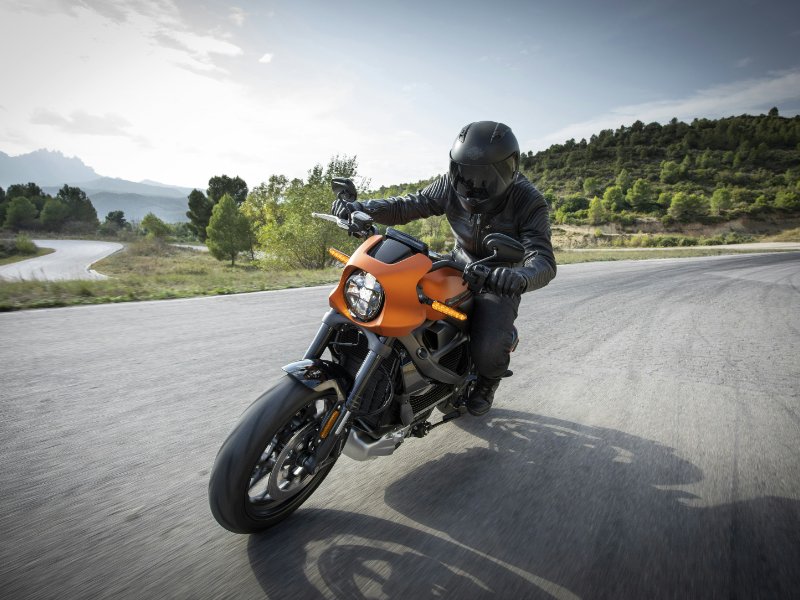
Riding a motorcycle in California requires the motorcyclist to follow a certain set of laws, rules and legal requirements. Ignoring any of these obligations can result in traffic citations and fines. Following the state’s motorcycling laws can help prevent accidents by guiding riders to the safest way to share the road with other motorists.
Minimum Age and Licensing Standards
In California, an individual must be at least 16 years old to operate a motorcycle. Riders need to have motorcycle licenses (Class M1 or M2), which require them to pass specialized written and motorcycle skills tests. There is no specific age minimum for motorcycle passengers. However, child riders must be tall enough to sit behind the driver in a designated seat and reach the footrests.
Insurance Requirements for Motorcyclists in California
Motorcyclists in California are required to carry the same types and amounts of automobile insurance as other motorists. These amounts as of 2026 are:
- $30,000 for bodily injury or death to one person
- $60,000 for bodily injury or death to two or more persons
- $15,000 for property damage
Liability insurance guarantees a motorist’s financial responsibility in the event of an at-fault accident.
FREE CASE CONSULTATION
Get Legal Representation From a Motorcycle Accident Lawyer in Los Angeles
Helmet Laws for Motorcyclists in California
California has a universal motorcycle helmet law. Under this rule, every motorcycle rider and all passengers in the state are required to wear DOT-approved helmets at all times, regardless of age. Helmet-wearing is also required when riding motorized bicycles. Failing to wear a helmet can result in a fine as well as the possibility of sharing liability for relevant injuries after an accident, such as traumatic brain injuries.
Lane-Splitting Laws
California was the first state to decriminalize lane-splitting, or the practice of riding a motorcycle on the dotted line between two lanes of same-direction traffic. Currently, lane splitting is permitted in California as long as a motorcycle rider does so safely and prudently. This means at a reasonable speed based on the speed of surrounding traffic and roadway conditions.
Mandatory Motorcycle Equipment
Before a motorcycle can lawfully be operated on public roads in California, it must contain all of the proper pieces of equipment. Legal requirements include functioning headlights and taillights that can be viewed from the correct distances, working turn signals, a horn, and left and right side mirrors.
Motorcyclists Must Obey Traffic Rules
All motorcyclists are required to abide by standard traffic laws and roadway rules when traveling on public roads. This includes traveling in the same direction as existing traffic, obeying traffic signs and signals, and yielding others the right-of-way when applicable.
Motorcycle Accident and Liability Laws
Any motorcycle accident in California that causes injuries, deaths or more than $750 in property damage to one person must be reported to the police. This report must be made within 10 days of the crash. The motorcyclist or someone else involved in the crash should call 911 from the scene to alert local law enforcement.
Since California is a fault-based insurance state, the at-fault individual bears financial responsibility for a crash. This means an injured motorcyclist has the right to file an insurance claim against a driver who causes the crash, such as by speeding or distracted driving. An insurance claim for a motorcycle crash could lead to financial compensation through a personal injury lawsuit for the victim’s losses, including medical costs, property damage, lost wages, and pain and suffering. If you get injured in a Los Angeles motorcycle accident, contact the attorneys at Rose, Klein & Marias, LLP for a free evaluation of your case.